How to Plan a Month's Worth of Content in One Day
Table of Contents
- Introduction
- Why Batch Planning Your Instagram Content Works
- Setting the Stage: Goals and Themes
- Step 1: Brainstorming and Ideation
- Step 2: Organizing Your Content Calendar
- Step 3: Creating Your Content
- Step 4: Scheduling and Automation
- Step 5: Review, Adjust, and Optimize
- Conclusion
Introduction
Ever looked at your Instagram feed and thought, “I wish I could plan a month's worth of content in one go”? Welcome to the club! If you're juggling a busy business schedule and struggling to keep your social media game strong, then batch planning might just be your saving grace. Today, we're unveiling a step-by-step guide on how to plan a month's worth of Instagram content in one day without wanting to pull your hair out.
In this comprehensive guide, you'll learn practical strategies for streamlining your content creation, setting clear goals, and even harnessing automation tools to keep you ahead of the game. We'll sprinkle in a few laughs along the way because, let's face it, content planning can be as challenging as convincing a cat to take a bath. So, grab a coffee (or tea) and let's dive in!
Why Batch Planning Your Instagram Content Works
Planning your Instagram content in batches offers numerous benefits:
- Increased Efficiency: When you focus on a single task for an extended period, you avoid constant context switching, which can kill your productivity.
- Consistency: A well-planned content calendar helps you maintain a steady stream of posts, which is key to staying relevant in your audience's feed.
- Reduced Stress: Instead of scrambling daily for content ideas, spending one day to get it all together gives you consistent peace of mind.
- Room for Creativity: With a clear roadmap in hand, you can experiment with creative formats and new ideas without the pressure of last-minute decisions.
By dedicating a day solely to planning, you can align your messaging, visuals, and engagement strategies in one go—a strategy that even the savviest of social media mavens swear by.
Setting the Stage: Goals and Themes
Before you jump in, it's crucial to lay a solid foundation. Begin by identifying your overarching goals for the month. Ask yourself:
- What is the main objective? (Driving traffic, generating leads, boosting brand awareness, or something else?)
- How do my goals align with my overall business strategy?
- What specific outcomes do I want to achieve with my Instagram content?
Once you have your primary goal (or goals, if you're feeling ambitious), choose two or three themes that support it. For example, if you're promoting a new product launch, your themes might be:
- Behind-the-Scenes: Share the creative process behind your product.
- Customer Testimonials: Let your satisfied clients do the talking.
- Educational Content: Provide insights on how to get the best out of your product.
Aligning your content around clear themes ensures your messaging is consistent—even when repurposing the same core content across different posts.
Step 1: Brainstorming and Ideation
The first real step in planning a month's worth of Instagram content is a good ol' brainstorming session. Here's how to structure it:
Dedicate a Brain Dump Session
Set aside 60-90 minutes with a blank sheet (or a digital note app if you prefer typing). Let every idea, no matter how wild, flow freely. Don't worry about perfection here—you're in the idea-generation phase. Here are some prompts to get the juices flowing:
- What topics does my audience care about?
- Which recurring questions or pain points do customers often share?
- Are there any seasonal events or trends aligning with my brand?
- How can I repurpose existing content in a fresh way?
Write down everything. The aim is to produce a treasure trove of potential content ideas that with further shaping will become your posts for the month.
Organize by Content Type
Once you've got your ideas, sort them by format. Create categories such as:
- Feed Posts (images, carousels, infographics)
- Stories (quick tips, behind-the-scenes, polls)
- Reels/IGTV (video content that digs a little deeper)
- Interactive Content (Q&As, challenges, quizzes)
This classification will help you ensure a balanced mix throughout your month and keep your content varied enough to engage all segments of your audience.
Step 2: Organizing Your Content Calendar
Now that your ideas are ready to roll, it's time to layout a structured calendar. Here's how to proceed:
Choose Your Tools
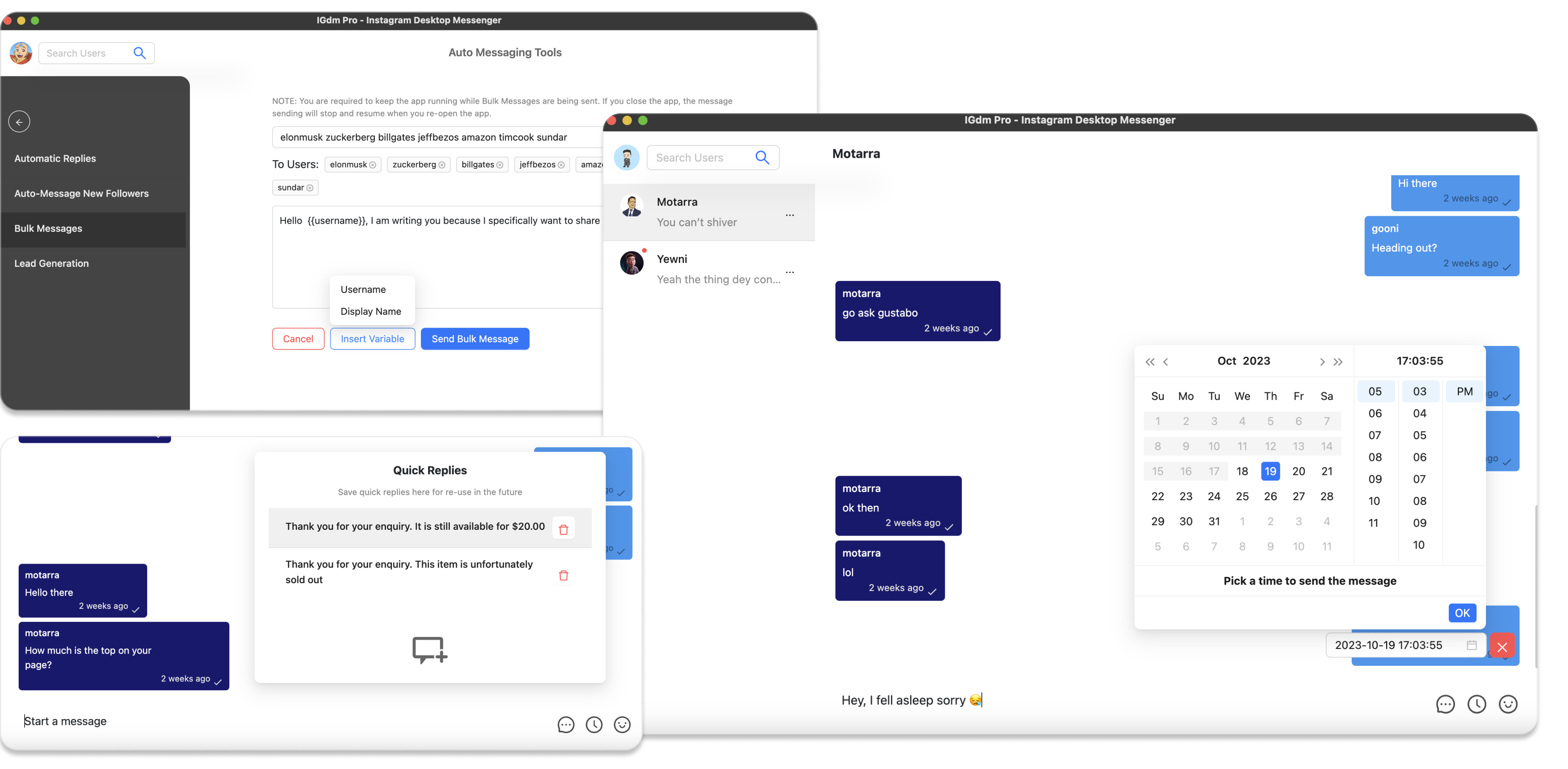
Your choice of tools depends on your personal preference. Some opt for physical planners while others lean on digital calendars (Google Calendar, Trello, or Notion). If you're a tech enthusiast aiming for automation and organization, consider tools like IGdm Pro, which not only streamlines your Instagram DM workflow but can also assist in planning and scheduling content.
Map Out a Posting Schedule
Decide on the frequency of your posts. A good starting point might be:
- Feed Posts: 3-4 times a week
- Stories: Daily snapshots or updates
- Reels/IGTV: 1-2 times a week
Having a clear schedule helps prevent content overload and ensures you have ample variety in what you share. Use your content themes and brainstorming list to allocate topics to specific days. For instance, if Monday is reserved for behind-the-scenes content and Wednesday for educational hooks, make sure each planned post reflects that theme.
Create a Visual Calendar
A visual layout can be a game-changer. Use color coding, stickers, or labels to identify content clusters, formats, and theme-specific days. This not only makes it fun (yes, you can be creative with planning too!) but also gives you a quick overview of your month's strategy.
Step 3: Creating Your Content
With a calendar that's set, it's time to move into the content creation phase. Here's a breakdown for making this step seamless:
Write Your Captions and Copy
Start with your primary piece—a blog post, a long-form caption, or even a detailed infographic. Use this core content as the nucleus around which other posts will orbit. Remember these key steps:
- Craft a Strong Hook: Your opening line should grab attention fast. Think of it as the click-bait (in a good way) that draws readers in.
- Highlight the Value: Clearly communicate how your post addresses the needs or challenges of your audience.
- Include a CTA: Encourage your audience to comment, share, or click through to your website.
Pro Tip: If you're using IGdm Pro, check out its message reminders and scheduled messages features—these are perfect for ensuring that once your copy is written, you never miss those key engagement moments.
Design Your Visuals
Visual content is king on Instagram. Whether you're using professional photography or casual smartphone clips, ensure that your visuals align with your brand aesthetic. Consider these creative elements:
- Brand Palette: Stick to colors that represent your brand to keep your feed cohesive.
- Templates: Use design tools like Canva, which allow you to create templates that can be reused and slightly tweaked for a uniform look.
- Variety: Mix up images, carousels, and videos to keep your audience engaged.
Don't shy away from experimenting—sometimes the most authentic visuals are unpolished snapshots that tell a genuine story.
Leverage IGdm Pro for Content Strategy
If you run a business that requires direct engagement with customers via Instagram DMs, IGdm Pro's automation features come highly recommended. With features like automatic replies and bulk messaging, you can manage your audience interaction with minimal effort. This leaves you more time to focus on creating quality content.
Step 4: Scheduling and Automation
One day of planning isn't complete until your content is scheduled and automated. This is the phase that ensures your content is published consistently, even when you're busy networking, sipping a latte, or attending meetings.
Use a Content Scheduler
Scheduling tools not only save time but also ensure that your posts go live exactly when your audience is most active. For Instagram, consider using scheduling features from IGdm Pro or other reputable tools like Later or Buffer.
Key benefits include:
- Consistency: Set your posts in stone so you can relax knowing your content will roll out regularly.
- Flexibility: If you need to make last-minute tweaks, you can quickly update your scheduled posts without starting all over.
- Analytics Integration: Some tools offer insights into how your posts perform. Use this data to refine your strategy further.
Automate Your Engagement
Beyond scheduling posts, automation can extend to your customer interactions. For instance, using IGdm Pro's automated greetings for new followers can help you strike up conversations without delay. This way, while your content is doing the heavy lifting on your feed, your DMs are also working to nurture relationships.
Create a Buffer for Adjustments
Remember, trends and audience preferences can shift rapidly. It's wise to leave a bit of wiggle room in your schedule. Reserve an hour at the start of each week to review your upcoming posts and make necessary adjustments based on the latest insights or trending topics.
Step 5: Review, Adjust, and Optimize
Your one-day planning session sets the stage, but the work doesn't stop there. Ongoing review and optimization are crucial to maintaining your content's effectiveness.
Monitor Performance
Keep an eye on key metrics like engagement rates, reach, and conversion through your content. Use Instagram Insights (or any analytics tool of your choice) to answer questions such as:
- Which posts are performing best?
- Is there a particular time of day or type of content that resonates more with your audience?
- Are your CTAs resulting in the desired actions?
Gather Feedback
Listening to your audience is a direct route to improvement. Encourage comments, run polls, and even consider casual surveys via Stories to gauge what your followers appreciate.
Tweak and Test
Don't be afraid to experiment. The beauty of batch planning is that it gives you a robust base from which you can test variations of content. Maybe one week's theme might need a slight shift, or a post format might perform better than expected. Use this data to continuously refine your approach.
Tools to Aid Optimization
Harness the power of automation platforms like IGdm Pro that not only help in scheduling but also organize your conversations and label chats for easier follow-ups. Features like lead generation and unfollowers tracking can provide useful insights to tailor your future content strategy even better.
Bringing It All Together: A Real-World Example
Let's say you run a small online boutique and your monthly goal is to boost engagement and drive sales for a new product line. Here's how you might structure your day:
-
Morning Session (Brainstorming & Ideation):
- Spend an hour jotting down product benefits, customer testimonials, and ideas for behind-the-scenes posts.
- Categorize content into feed posts, stories, and reels.
-
Mid-Morning (Content Calendar Setup):
- Choose digital tools like Google Sheets or your favorite planner app. If you're a pro user, link up with IGdm Pro's scheduling reminders to sync your social content strategy with direct messaging for prompt customer engagement.
- Map out your monthly posting schedule with designated themes for each weekday.
-
Afternoon (Content Creation):
- Write your core captions and blog post using clear hooks and calls to action.
- Create or edit images and videos that align with your brand style.
-
Late Afternoon (Scheduling & Automation):
- Use your scheduling tool to queue up posts. For personalized customer messaging, utilize IGdm Pro's automatic responses to greet new followers or remind you of key follow-up messages.
-
End of Day (Review and Final Adjustments):
- Skim through your draft posts, make minor edits, and check for consistency in tone and visual branding.
By the end of the day, you have a full month's worth of engaging Instagram content ready to roll out, leaving you more time to focus on your business operations instead of scrambling daily for ideas.
Conclusion
Batch planning your Instagram content might sound like a Herculean task at first, but with a little organization, a sprinkle of creativity, and the right tools at your disposal, it can be transformed into an efficient process that sets your brand apart. Remember, the key is to prepare a solid foundation through clear goals and themed content, harness your creativity during a dedicated brainstorming session, and leverage the power of scheduling and automation to keep your content flowing seamlessly.
Whether you're a small business owner or a digital content wizard, planning a month's worth of Instagram content in one day is not only achievable—it's a game changer. And if you need a little extra help on the tech side of things, tools like IGdm Pro come loaded with features such as automatic replies, scheduled messages, and so much more to help you stay on top of your customer engagement.
So, take the plunge, set aside that one day, and watch the magic unfold. Happy planning and even happier posting!
Remember: Consistency builds trust, and trust builds your brand. Now get out there and conquer your content calendar!